SPICES

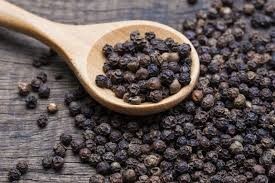
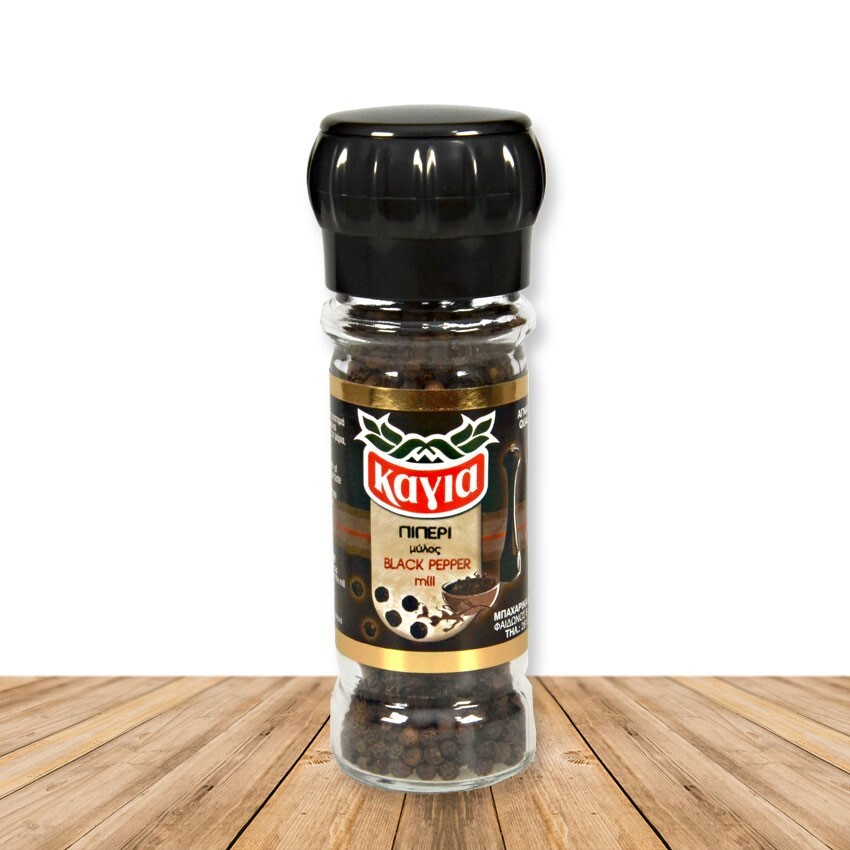
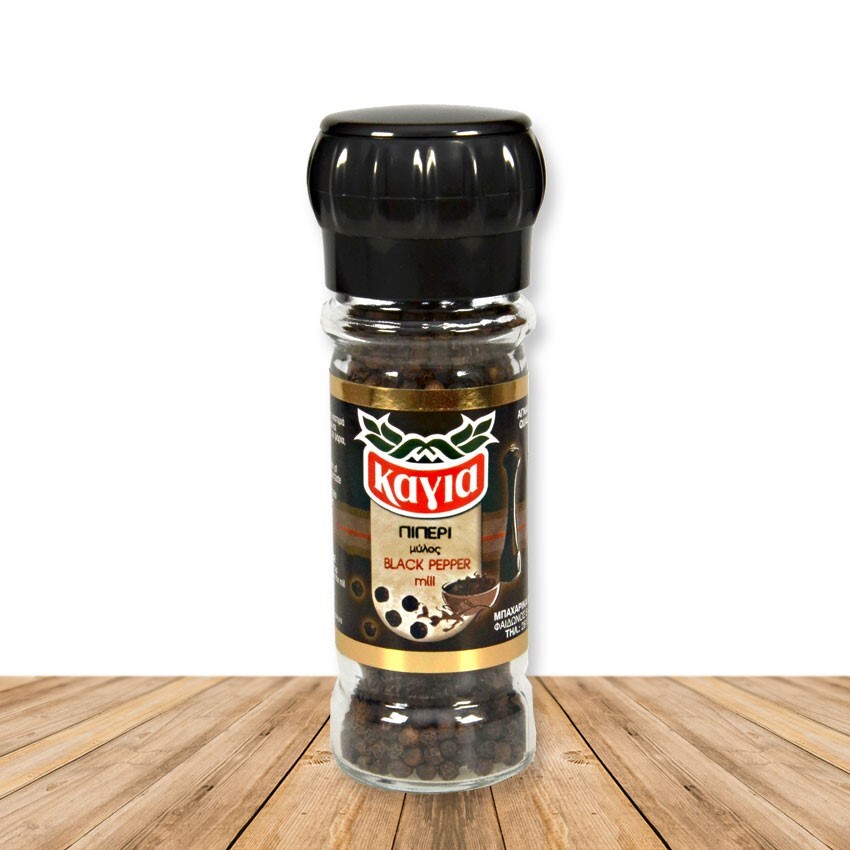
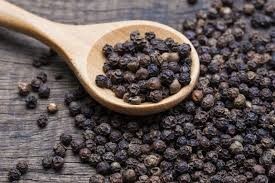
BLACK PEPPERBLACK PEPPER

BLACK PEPPER

Black pepper originates from India and was originally used extensively in Indian, Chinese, and Japanese cuisine, and today across the entire world to enhance dishes and give them a spicy flavor.

Black pepper also offers important health benefits: it promotes perspiration and helps rid the body of harmful toxins. It is one of the most essential cooking ingredients, and not by chance, since pepper—like salt—holds a prominent place in kitchens worldwide for the distinctive flavor it brings to food. Its usefulness is not limited to taste alone, as it can also contribute to better health.

Black pepper not only adds wonderful flavor to dishes, but also aids detoxification as a natural diuretic and supports sweating. Rich in vitamin C, it helps the body fight bacterial infections. Black pepper pairs best with red meats, while white pepper and lemon pepper pair ideally with chicken and fish.
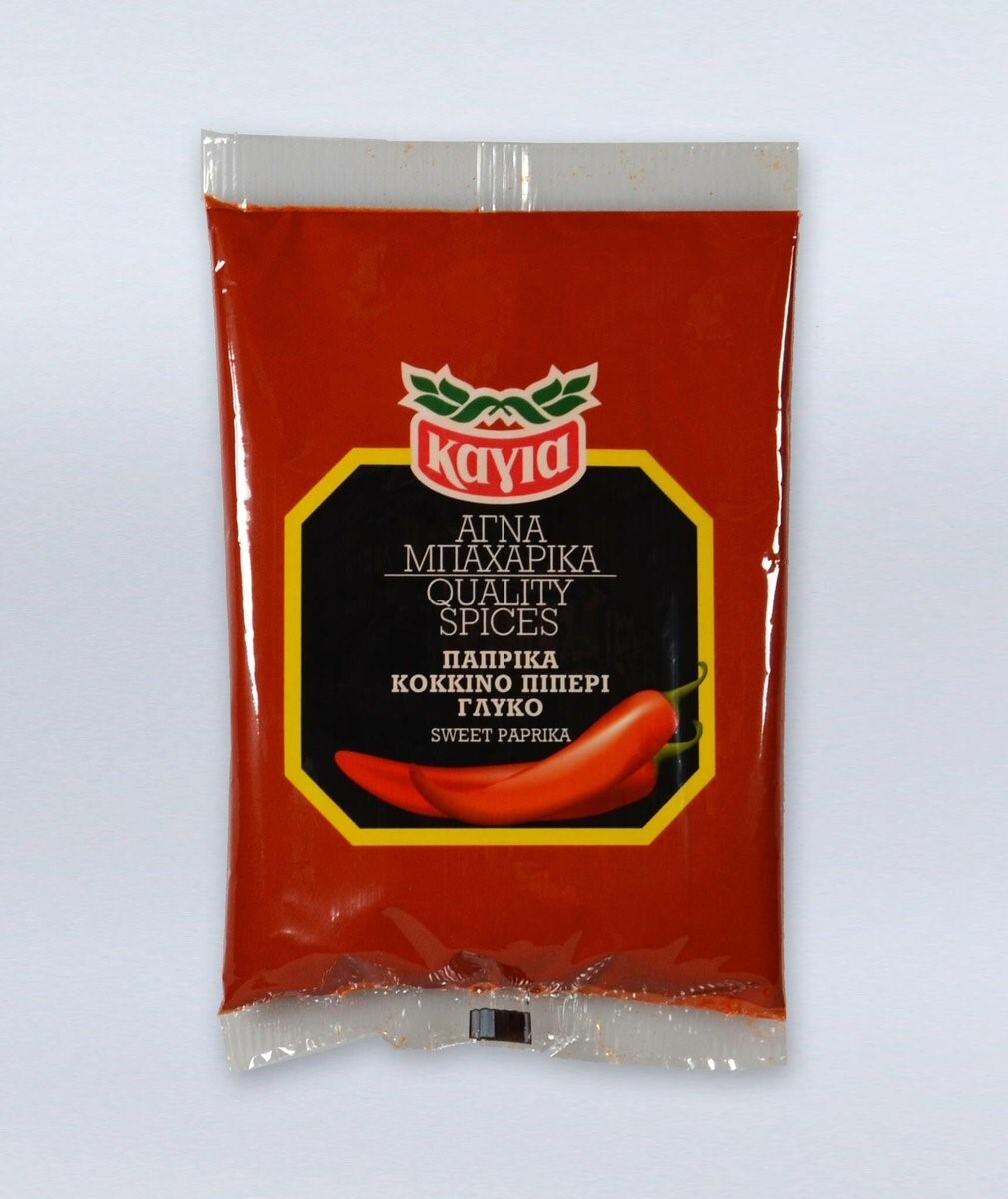
SWEET PAPRIKASWEET PAPRIKA

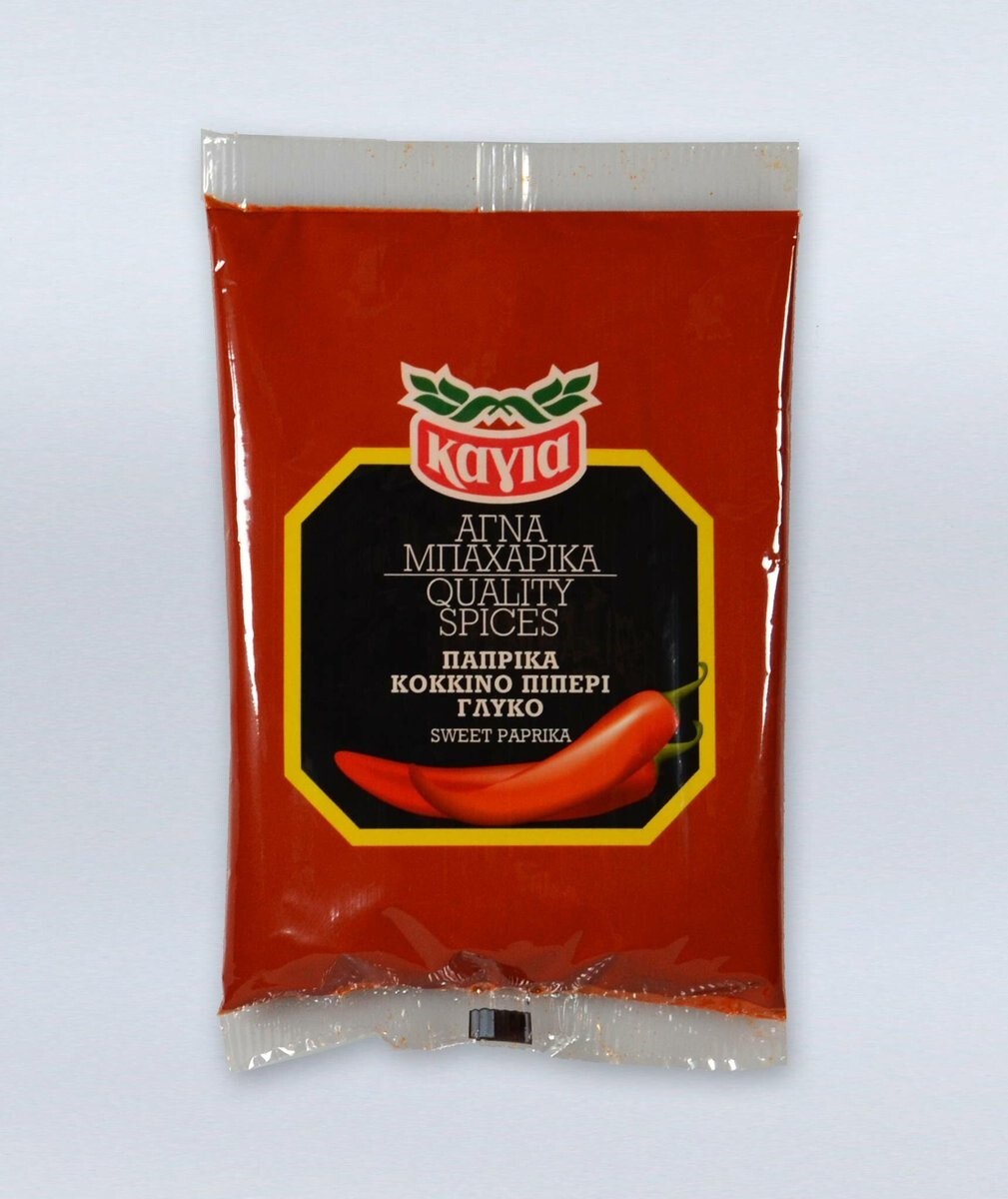
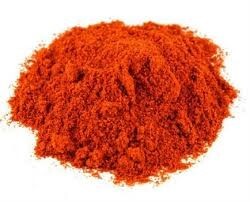
SWEET PAPRIKA

Paprika is made by grinding Capsicum peppers into a fine powder. Just a single 1-tablespoon serving provides abundant nutrients and especially carotenoids, which are rich in vitamin A.

Many people enjoy their food a little spicier, and red pepper satisfies lovers of bold flavors and more. Its key active compound is capsaicin, which has strong anti-inflammatory properties and is associated with lower cholesterol and triglycerides, reduced risk of blood clots, and overall better cardiovascular health.

Contrary to popular belief, red pepper is beneficial for stomach ulcers thanks to its antimicrobial action against harmful bacteria. For better absorption of vitamin A (a fat-soluble vitamin), add paprika to dishes that contain some healthy fat or pair it with a little olive oil.

GREEN PEPPERCORNSGREEN PEPPERCORNS

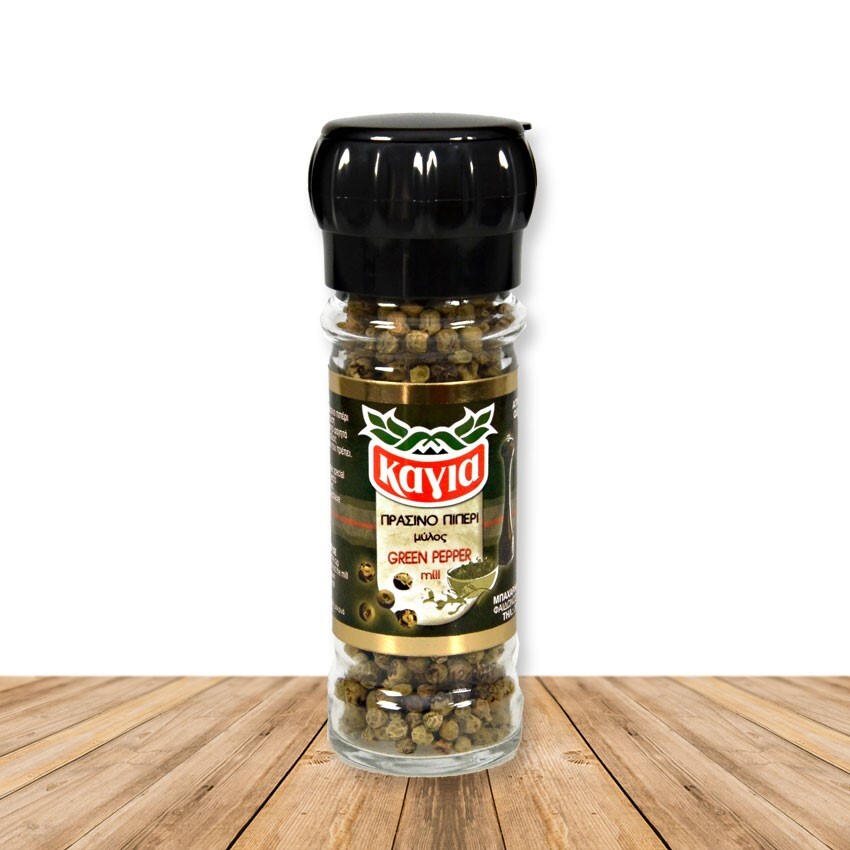
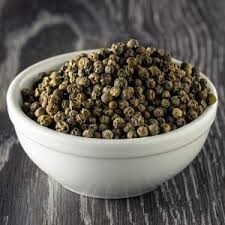
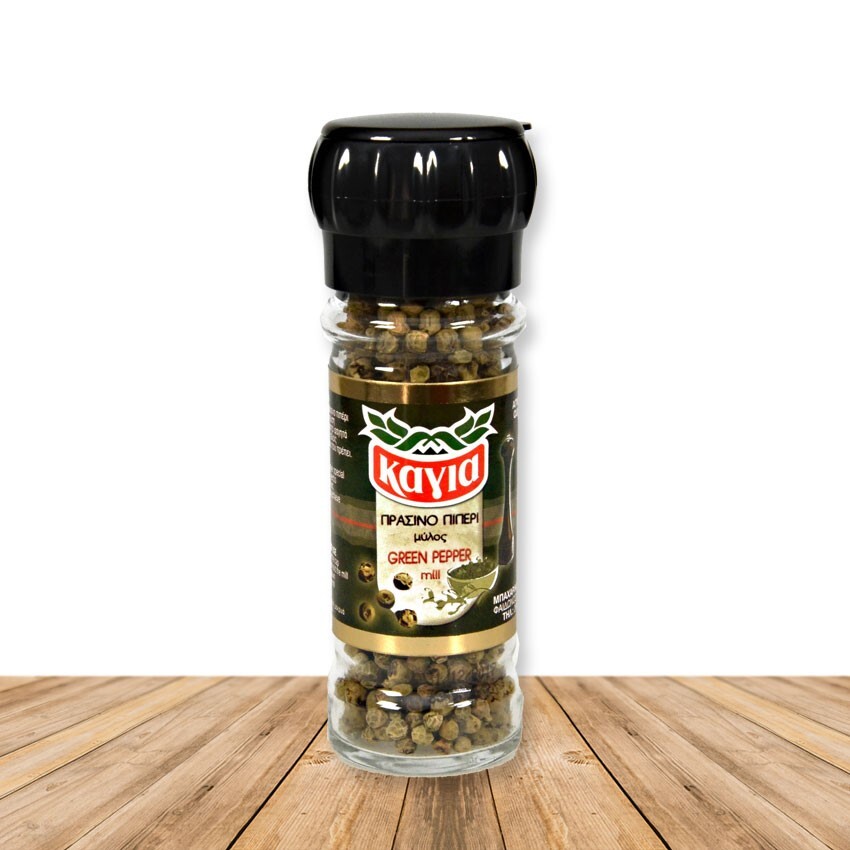
GREEN PEPPERCORNS

Green pepper has a milder flavor than black pepper and is more aromatic, making it ideal for lighter dishes. It is also added when preparing pickled vegetables and can be used dried, in brine, or in vinegar brine.

Green pepper is the dried, unripe berry of the Piper nigrum L. plant. Externally it is greenish and about 0.5 cm in diameter, processed and preserved promptly to retain its vibrant color. Like black pepper, its pleasant piquant taste warms the body and aids digestion, as it contains piperine, a compound used in digestive remedies.

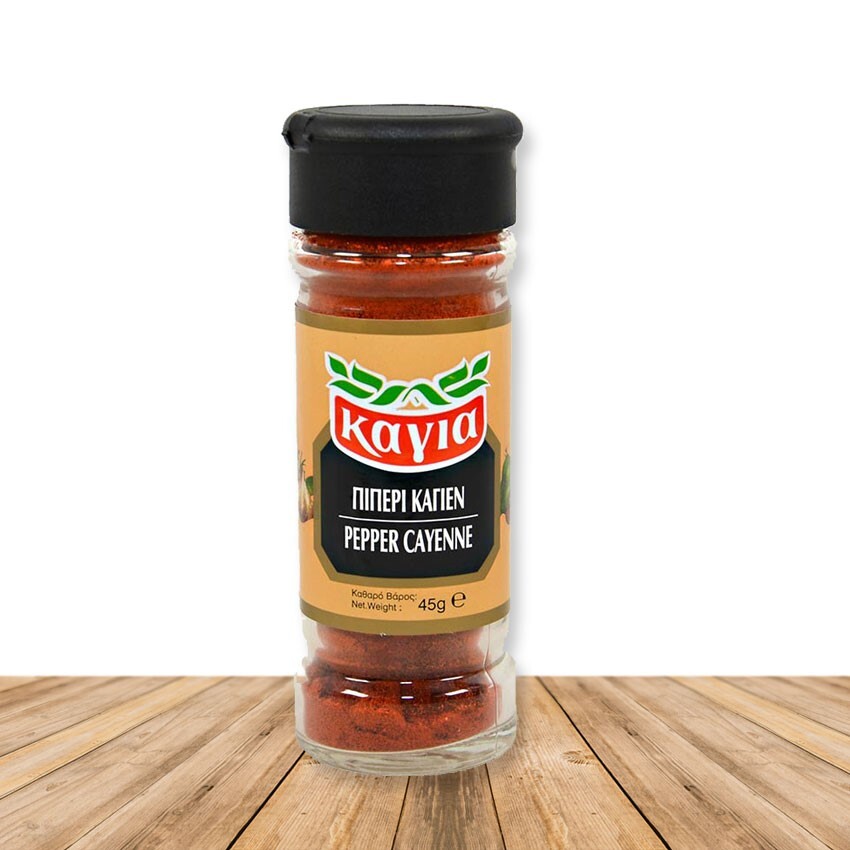
CAYENNE PEPPER

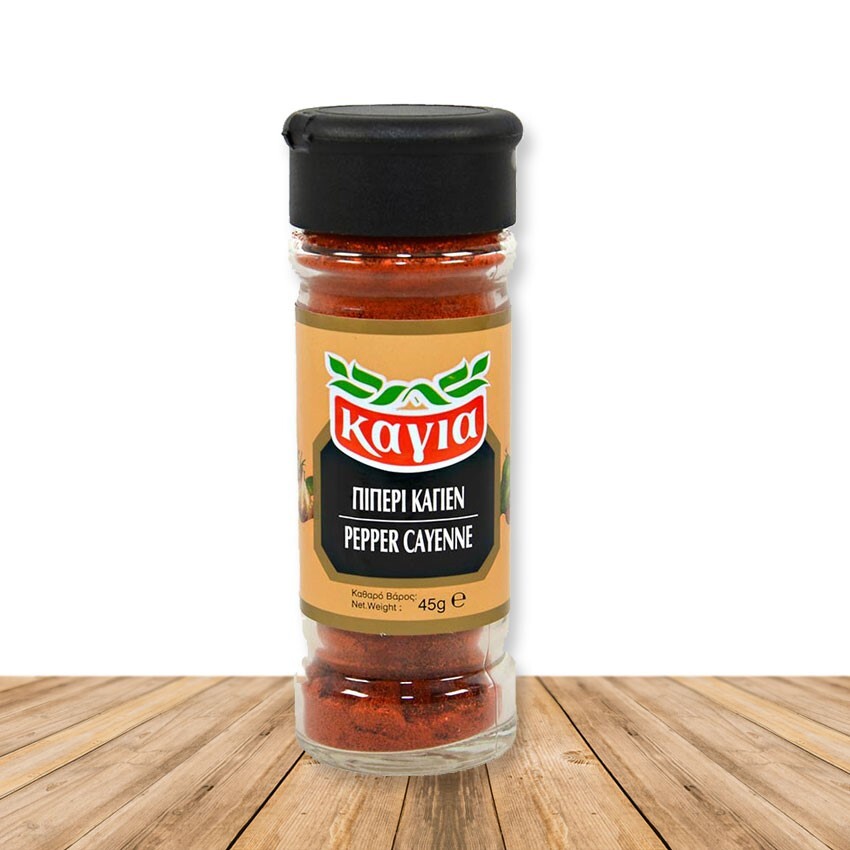
CAYENNE PEPPER

Cayenne pepper is the ground powder of dried chili peppers. Cayenne powder is a direct stimulant of blood flow, encouraging immediate circulation and helping nutrients reach cells more effectively.

It supports blood circulation and helps keep arteries clear while supporting red blood cell regeneration. It aids digestion, soothes stomach ulcers, and has anti-inflammatory properties that are helpful for arthritis.

WHITE PEPPER

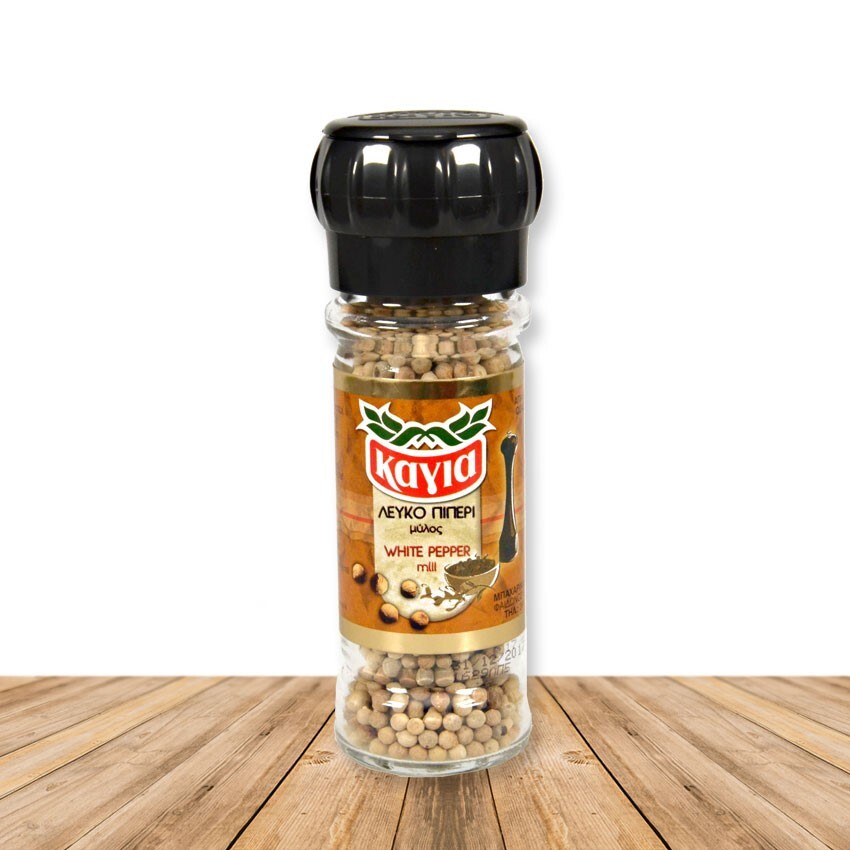
WHITE PEPPER

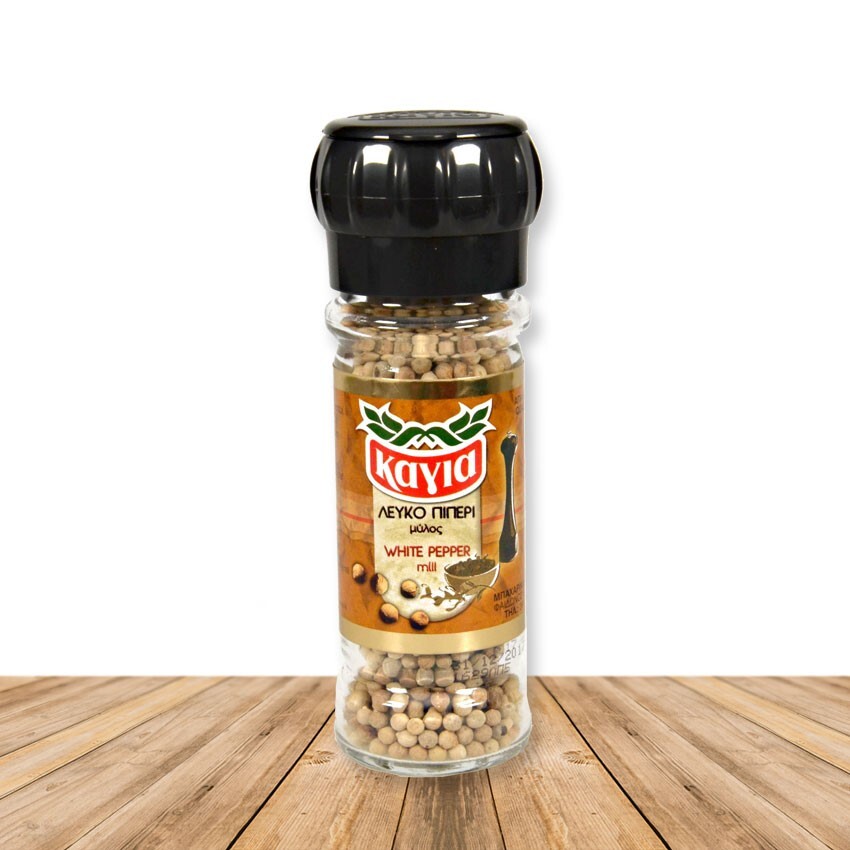
White pepper comes from the inner seed of the peppercorn after removing the outer hull. It requires more processing than black pepper and has a distinct aroma. It is widely used in light-colored sauces as well as to flavor potatoes and fish.
In general, it is used in dishes where pepper should provide a gentle warmth without dark specks or an overpowering taste, and it is also a key ingredient in charcuterie.

PINK PEPPERCORNSPINK PEPPERCORNS

PINK PEPPERCORNS

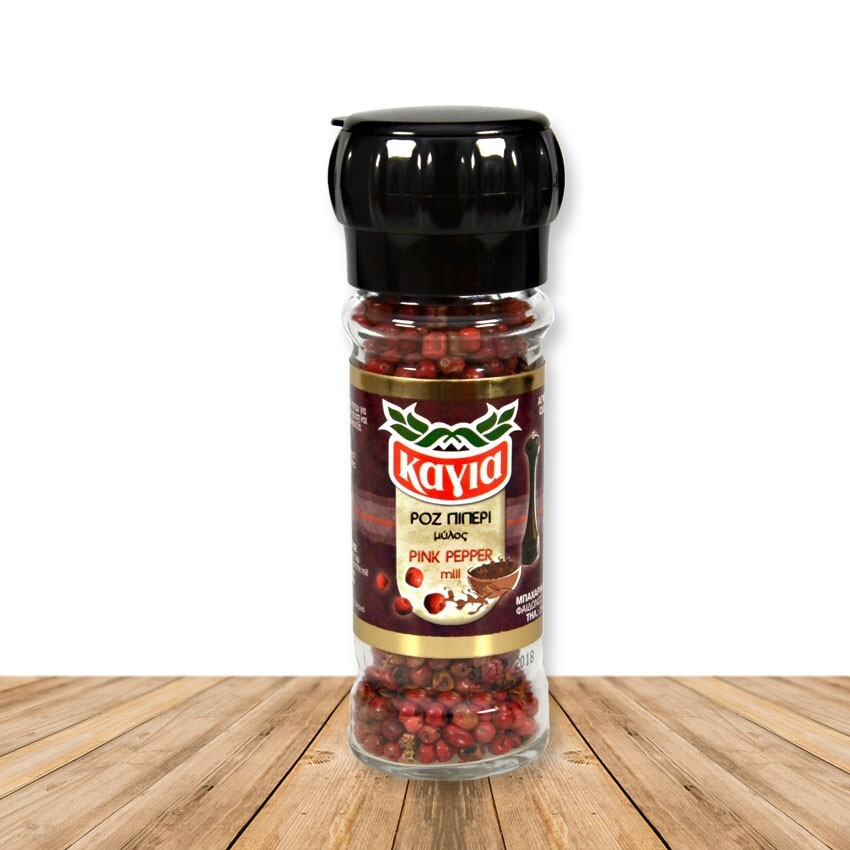
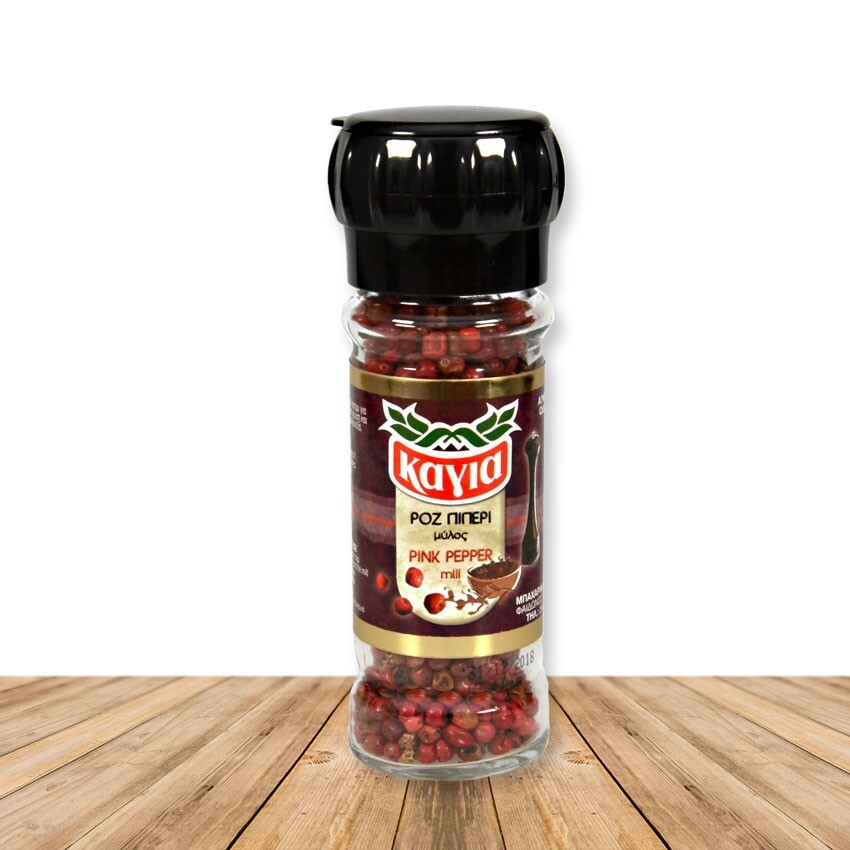
Pink pepper is the berry of a shrub related to the pepper family; it is aromatic and requires careful storage because it is delicate. Its culinary use has grown rapidly in recent years thanks to its sweet, peppery flavor and distinctive, exotic pink color that makes it indispensable in gourmet cooking. It is often combined with other peppercorns to create colorful blends.

In cooking, it stimulates the appetite and pairs wonderfully with seafood, as well as garnishing plates with exceptional aroma. It is also used in pastry, tea, salad dressings, and white sauces.

CINNAMON

CINNAMON

Cinnamon is one of the most popular spices in the world, widely used in cooking and baking. It is essential in traditional Smyrna sweets, homemade halva, apple pies, loukoumades, melomakarona, bougatsa, yogurt, rice pudding, fruit salads, tea, coffee, and more. Research shows cinnamon offers strong health benefits—it ranks among the most potent natural antioxidants and can also support weight-management goals by boosting circulation, supporting metabolic rate, and helping regulate appetite during sugar metabolism.

NUTMEGNUTMEG

NUTMEG

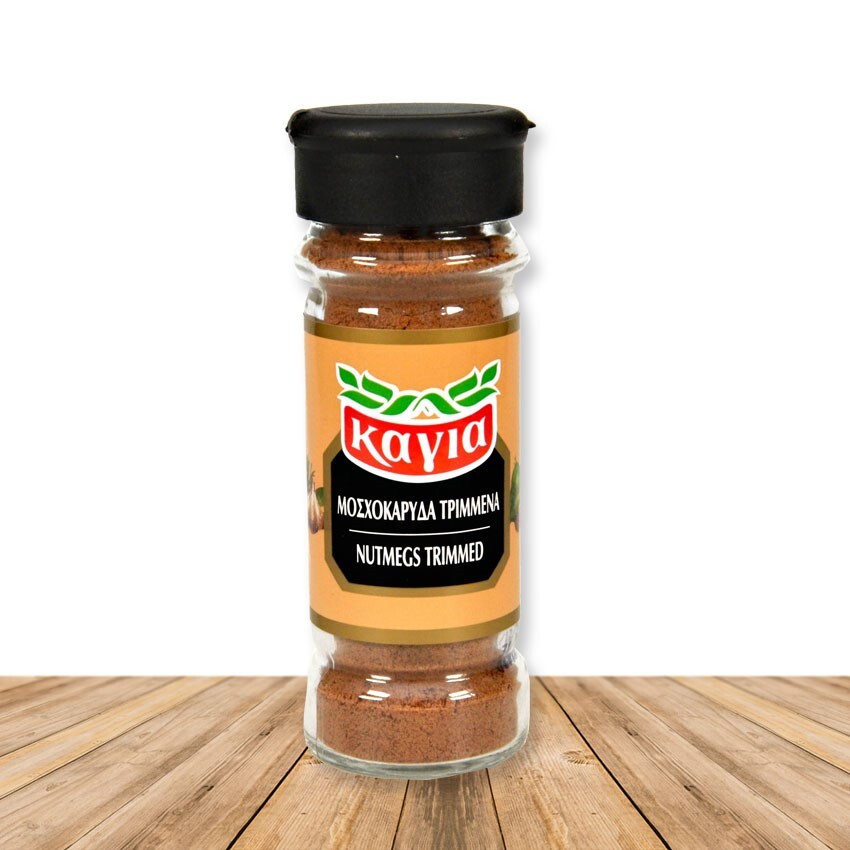
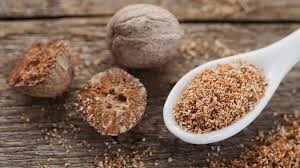
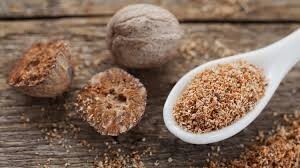
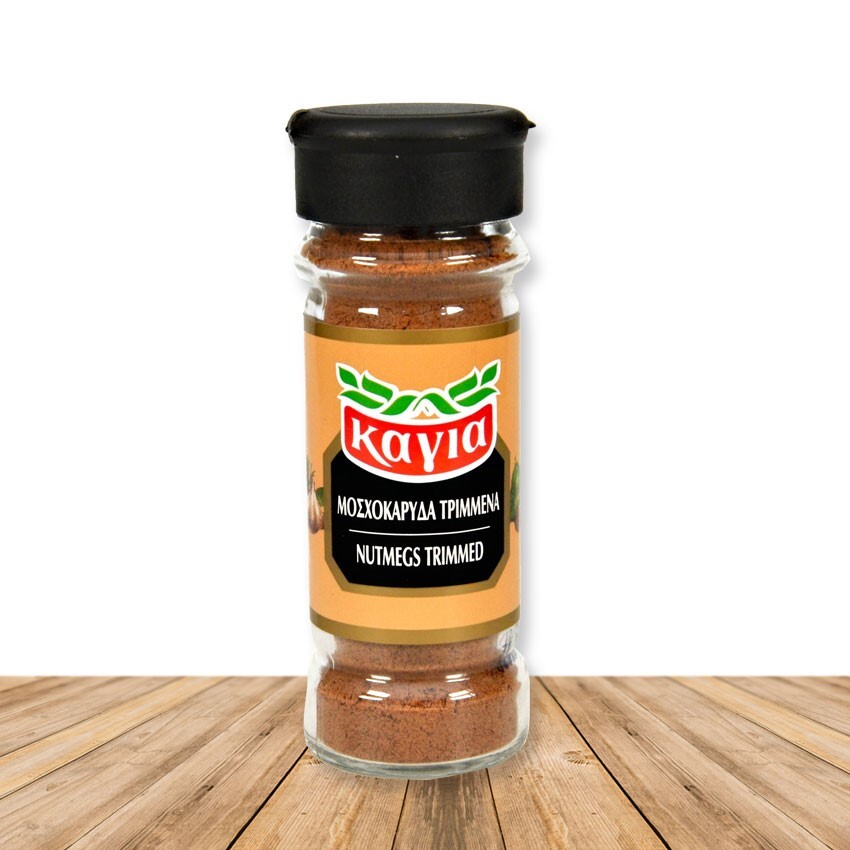
Nutmeg is a spice obtained from the seed of the nutmeg tree. It has a rich, penetrating aroma and a warm, slightly sweet flavor. Round, grayish, and wrinkled on the surface, it contains about 10% essential oils and is enclosed inside a fruit resembling a small peach. Traditionally used as a digestive aid for nausea, indigestion, and upset stomach.
It helps support balanced blood glucose, eases rheumatic discomfort, and acts as a gentle intestinal antiseptic. In gastronomy, it is used in baking, pastry, cooking, seasoning sausages and meats, various sauces, and liqueurs, especially appreciated for aiding the digestion of rich or starchy dishes.

CLOVESCLOVES

CLOVES

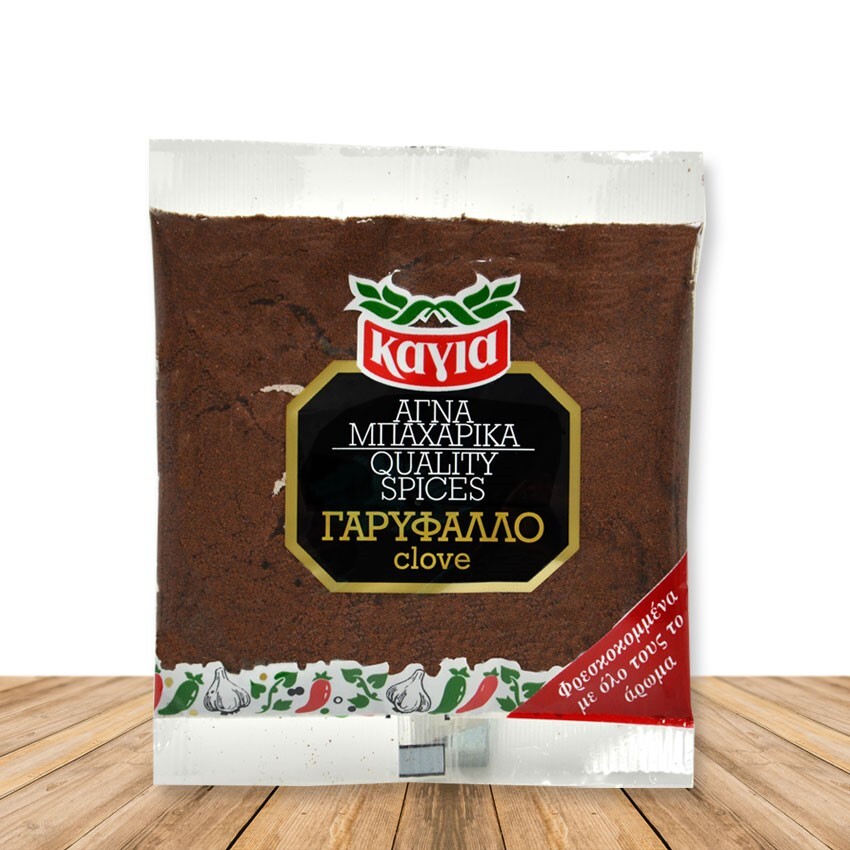
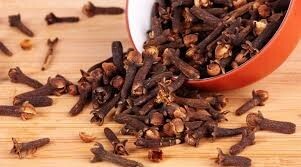
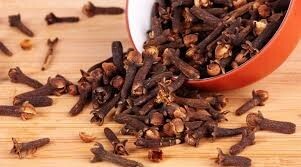
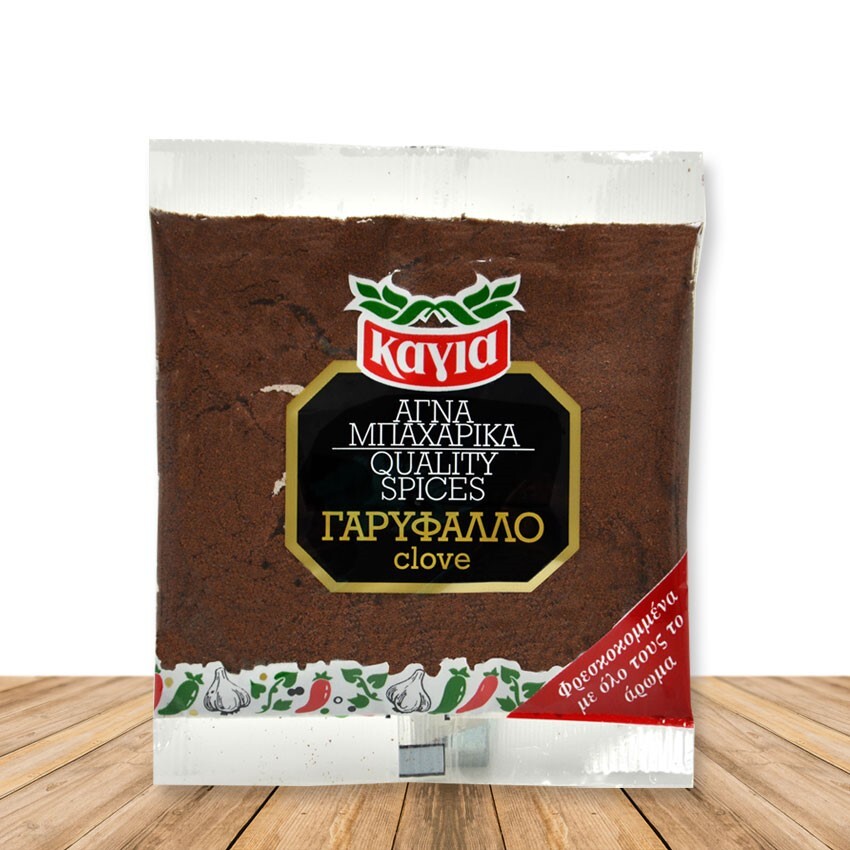
Cloves are precious, distinctive spice buds widely recognized for their medicinal properties. They are the dried flower buds of an evergreen tree native to the forests of Indonesia (family Myrtaceae), harvested when they reach 1.5–2 cm in length. Their sweet, warm aroma comes primarily from eugenol, an essential oil known for its antioxidant, antiseptic, anti-inflammatory, and soothing properties.

Clove oil has long been used to relieve toothache, soothe insect bites, and ease nausea, while also aiding digestion. Combined with other herbs and spices, cloves create wonderful flavor profiles in savory cooking as well as desserts, fruit salads, and smoothies. Available whole or ground.

ALLSPICEALLSPICE

ALLSPICE

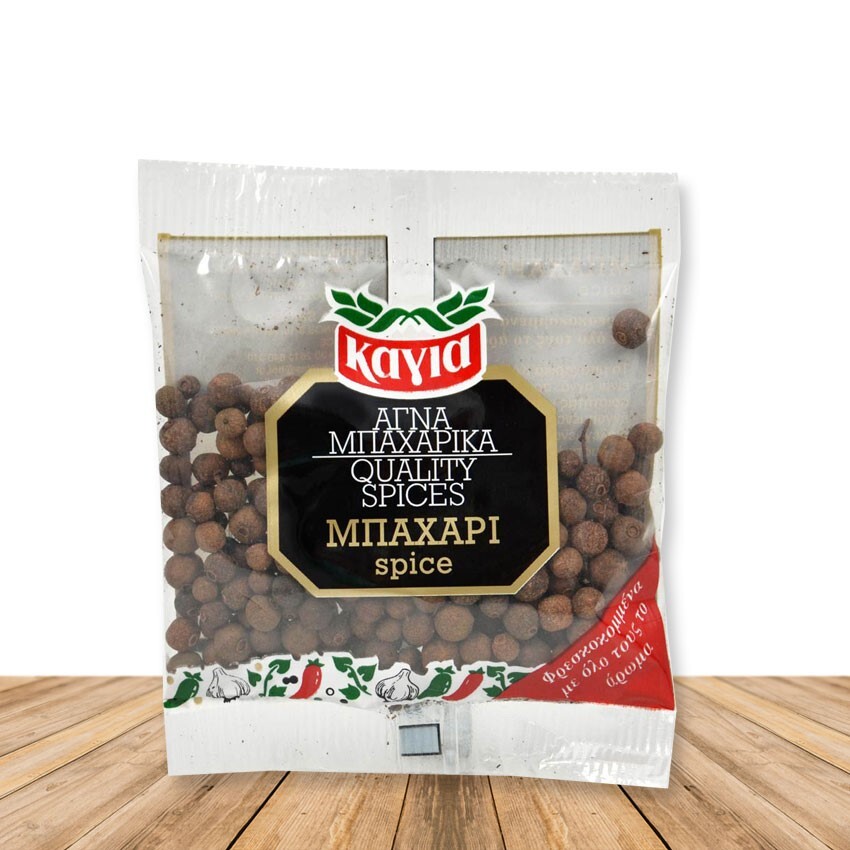
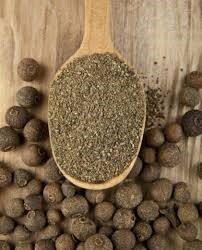
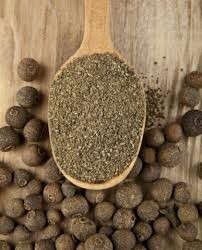
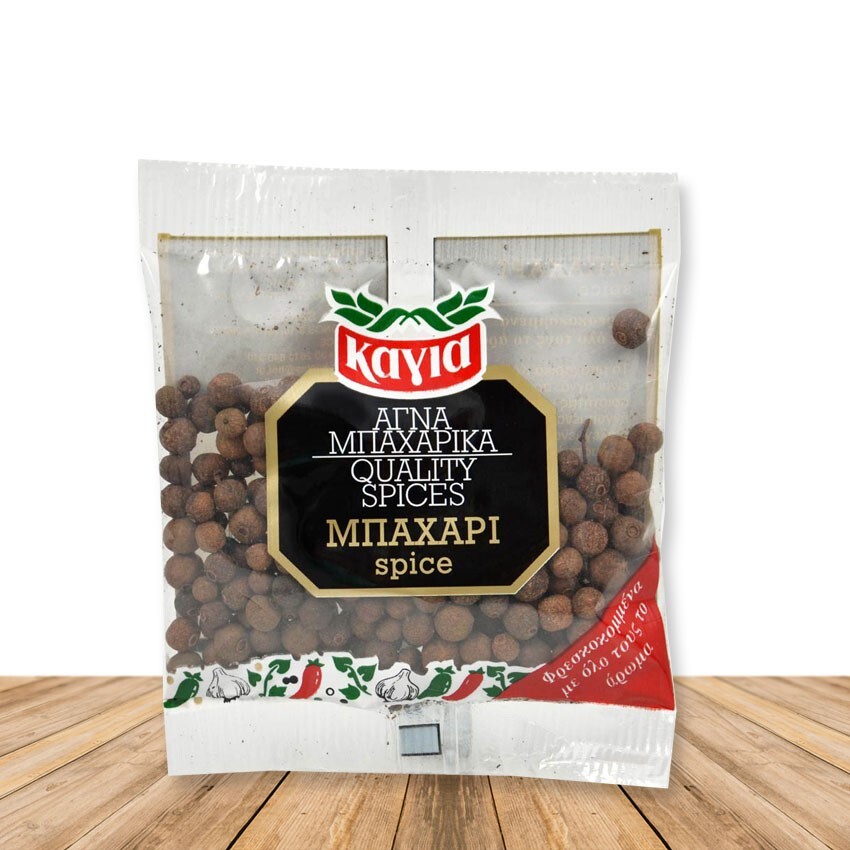
Allspice ranks second only to cloves in antioxidant content according to an evaluation by the University of Oslo. Because of its soothing properties, its oils are used in preparations to ease indigestion and stomach discomfort while aiding the digestion of fats.

It also helps relieve headaches and toothaches, and its essential oils are used in aromatherapy for fatigue, stress, and muscle cramps. Combined with pepper, cinnamon, cloves, and nutmeg, allspice is widely used in charcuterie, beverages, and savory dishes.

CUMIN

CUMIN

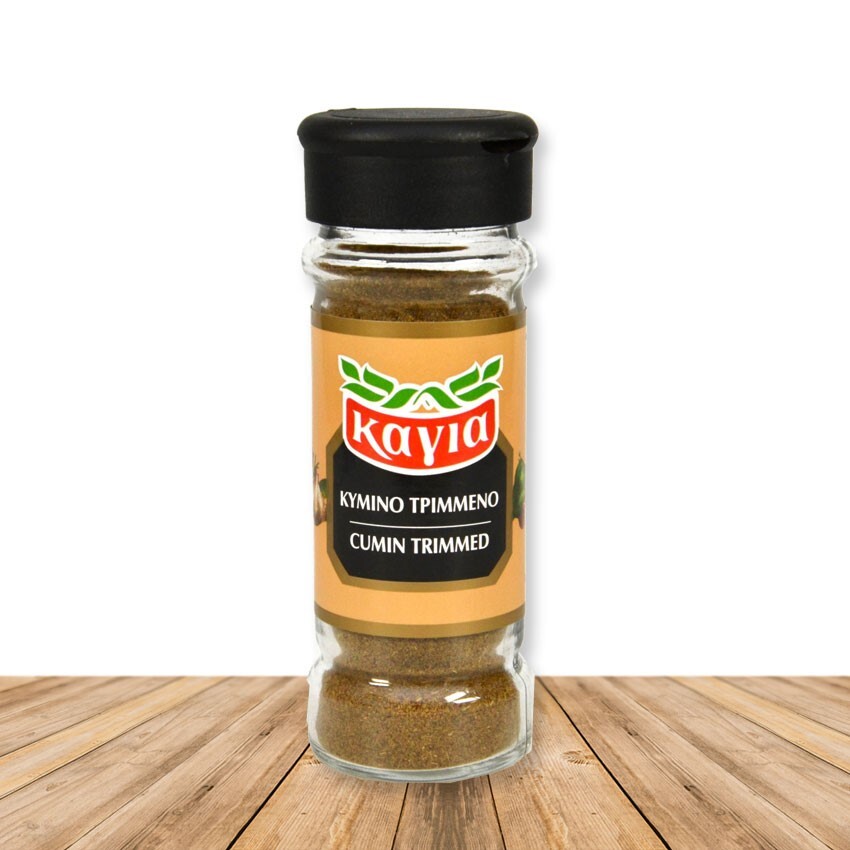
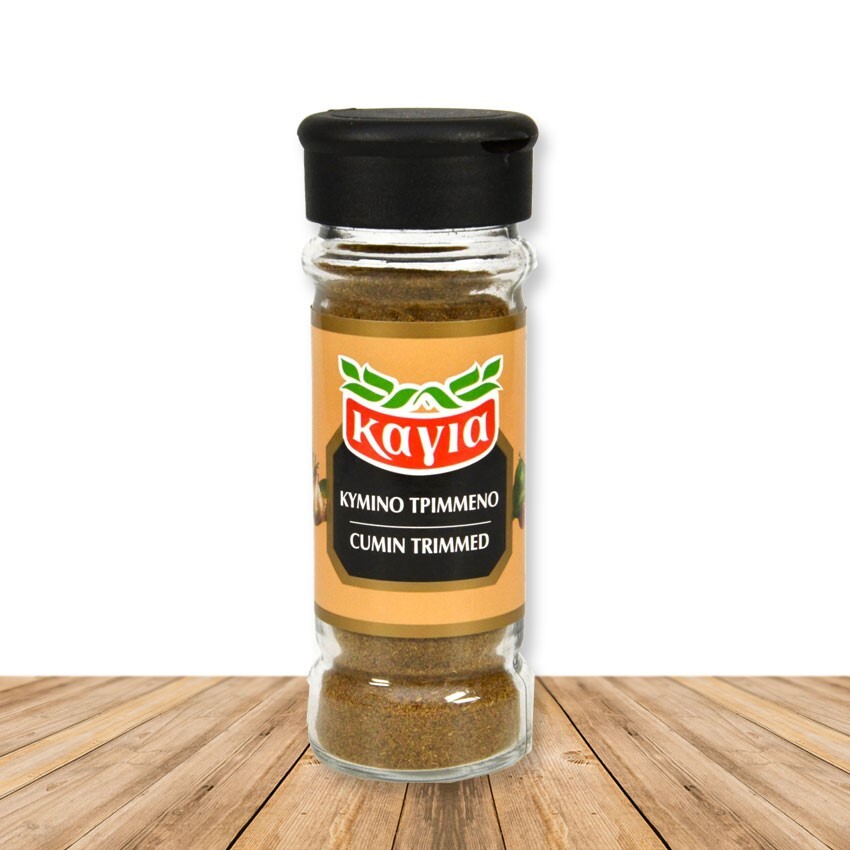
Cumin is a delicate plant with slender stems whose aromatic seeds are harvested and dried once the plant turns golden-brown. Cumin seeds are digestive, stimulate appetite, and support healthy digestion. Different varieties of cumin appear in Dutch, French, and Italian cheeses. In Greek cuisine, cumin famously flavors sauces and minced meat dishes such as soutzoukakia, and it is a staple spice across South Asian, North African, and Latin American cuisines as well as in pickles and certain sweets.

CORIANDER

CORIANDER

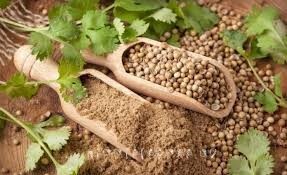
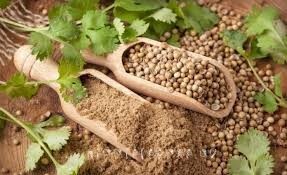
Coriander is one of the oldest aromatic plants used by humankind. Resembling parsley, it is valued both for its fresh leaves and its dried seeds. Researchers have noted coriander's antioxidant activity in the human body, and externally its seeds have been used to soothe joint discomfort. Coriander seeds are also used to flavor beverages, and the essential oil extracted from its seeds is widely used in food production around the world.

GARLIC

GARLIC

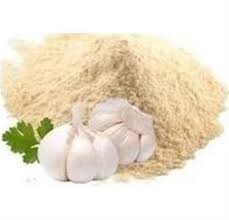
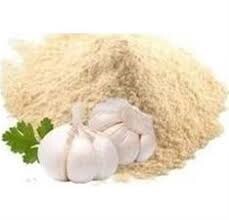
Garlic has been used by humans for over 5,000 years. It is a bulbous plant reaching up to 50 cm in height, with bulbs composed of cloves wrapped in a shared membrane. Its essential oil compounds have strong antiseptic and antibacterial properties. Studies have shown its effectiveness in helping regulate blood pressure and lipid levels, supporting the body during colds and flu, and promoting bone health. Garlic is a cornerstone of cooking worldwide, used in roasts, stews, sauces, salads, and pickles.

ONION

ONION

Onion has been used for thousands of years and remains just as popular today as in antiquity. Cultivated in nearly every country in the world, it adds exceptional flavor to countless dishes while offering numerous health benefits. Onions possess natural antibacterial, antifungal, and anti-inflammatory properties, support gastrointestinal health, and contribute to balanced blood sugar and healthy skin and hair.

CURRY

CURRY

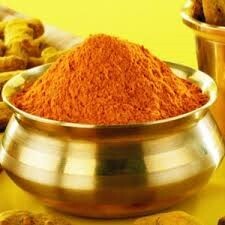
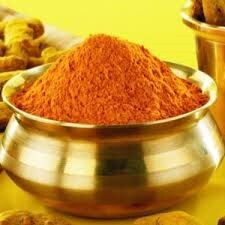
The oldest known recipe for curry was discovered in Mesopotamia. Considered a natural source of salicylic acid, each curry blend varies in heat, color, and spiciness depending on its ingredients—ranging from mild to intensely hot. Curry pairs wonderfully with chicken, potato salad, boiled eggs, shrimp, and of course rice, and can also be used in salad dressings, vegetables, and soups.

BOUKOVO (CHILI FLAKES)

BOUKOVO (CHILI FLAKES)

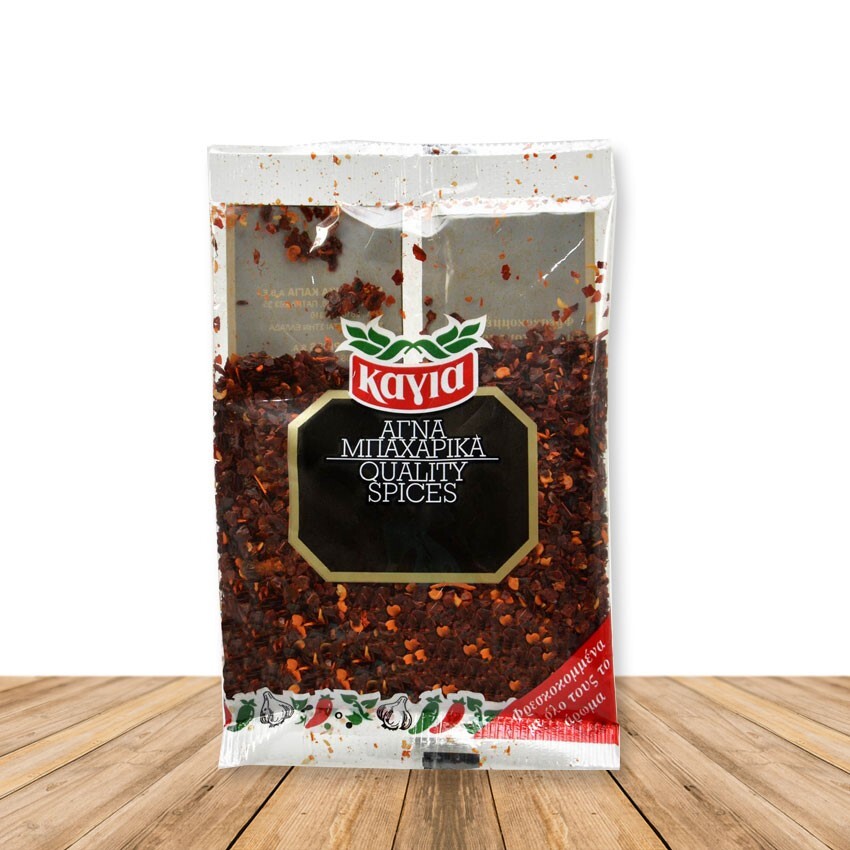
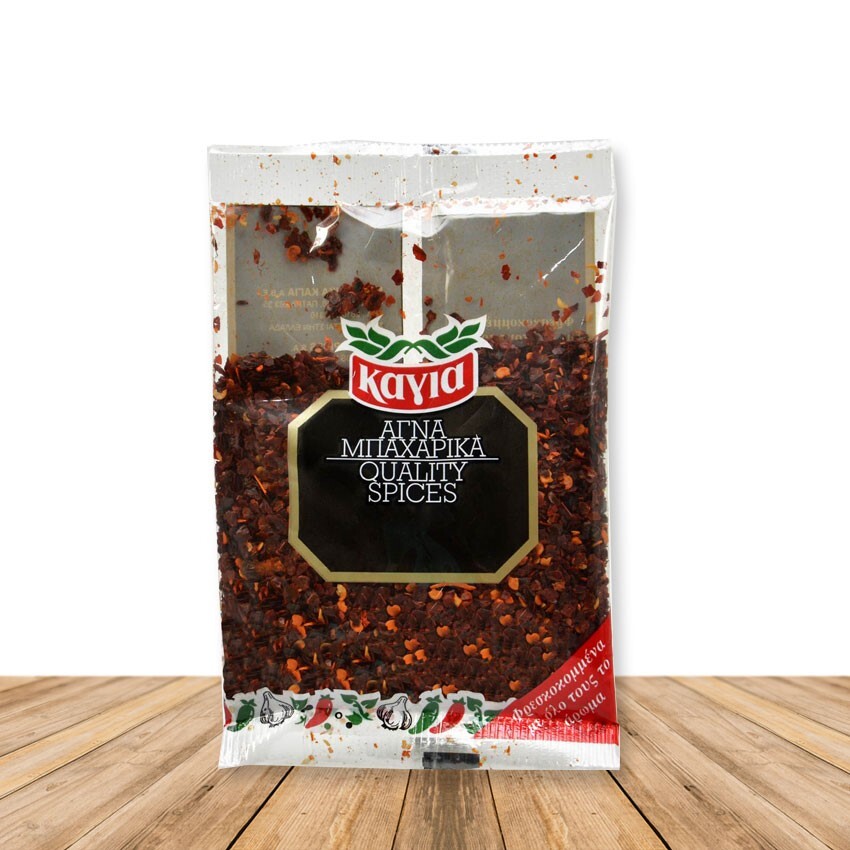
The word boukovo means "hot/spicy," immediately revealing the character of this spice. Boukovo consists of crushed red pepper flakes made from the flesh and seeds of chili peppers, widely used in Macedonian and Thracian cuisine in place of black pepper. Rich in capsaicin, it helps clear nasal passages and relieve cold symptoms. It pairs well with oregano, marjoram, basil, parsley, garlic, and pepper, and is ideal for bean soup (fasolada), pickled cabbage, stews, grilled meats, spicy sauces, and aged yellow cheeses.

MUSTARD

MUSTARD

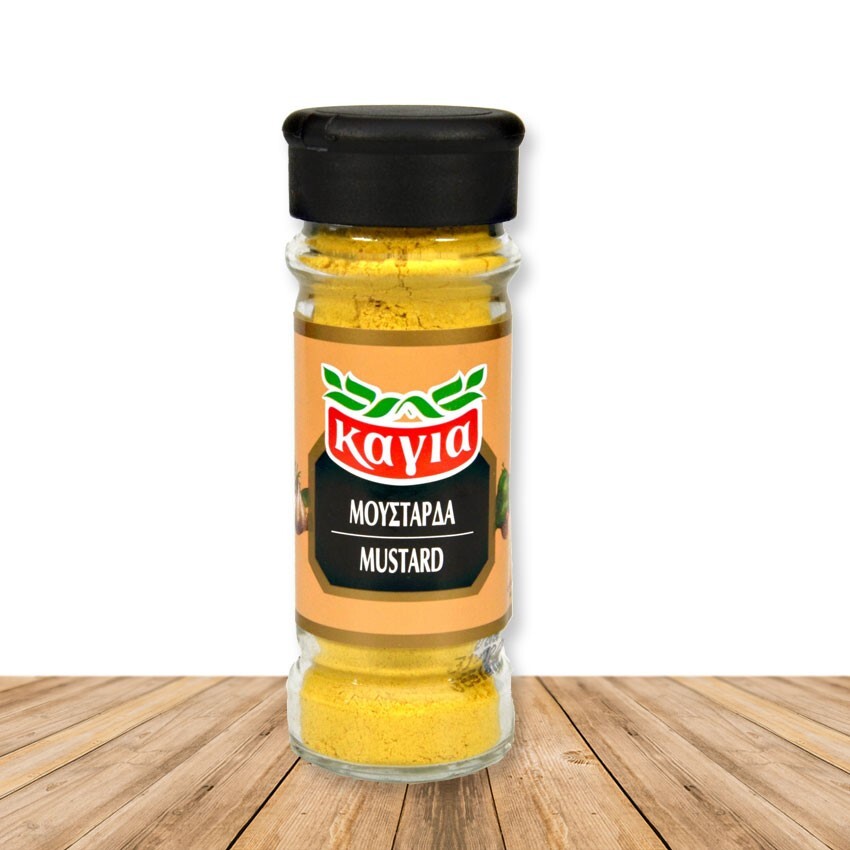
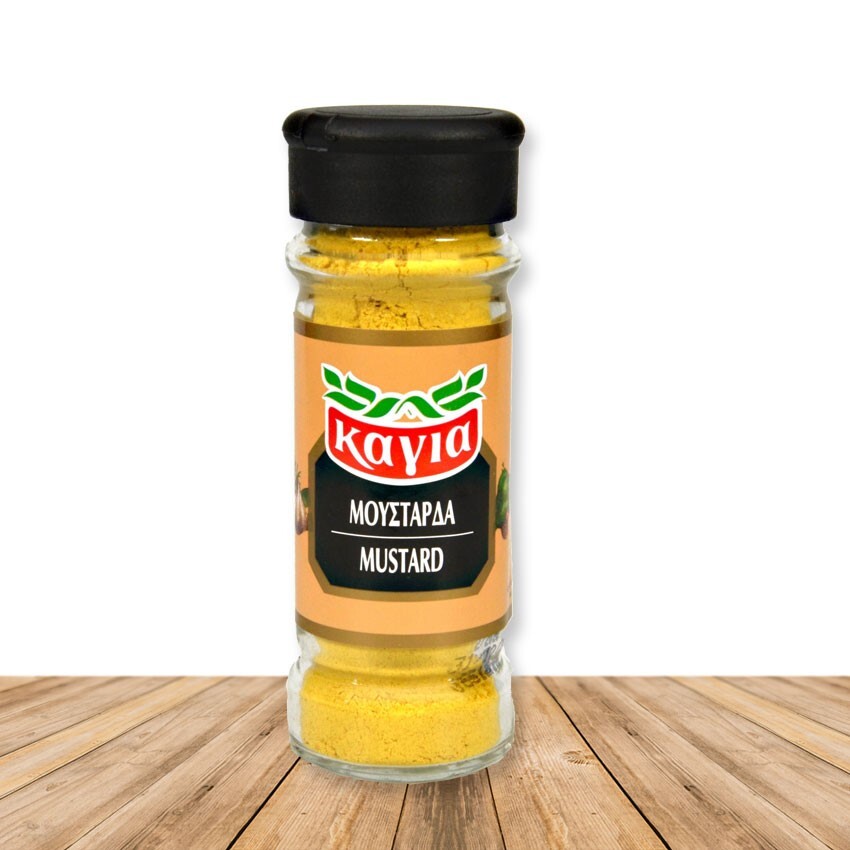
Mustard is made from the seeds of plants in the Brassicaceae family. Beyond adding vibrant flavor to food, mustard seeds offer remarkable health properties. People who regularly enjoy mustard—especially hot mustard—benefit from its rich selenium and magnesium content, which have anti-inflammatory properties that help ease respiratory discomfort and cold symptoms.

MAHLEB

MAHLEB

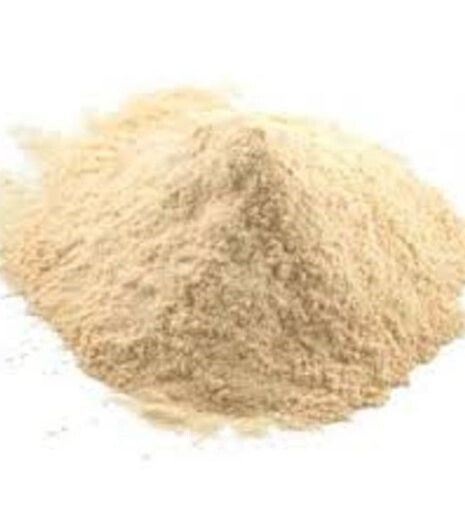
Mahleb (Prunus mahaleb, or St. Lucie cherry) is an aromatic spice obtained from the seed kernel of the wild cherry. While it has been used in traditional remedies, liqueurs, and crafts, it is most famous in baking and pastry (such as tsoureki). However, it is also wonderful beyond sweets—try sprinkling a pinch over sautéed vegetables, creamy soups, rice, or dishes with carrots and pumpkin.

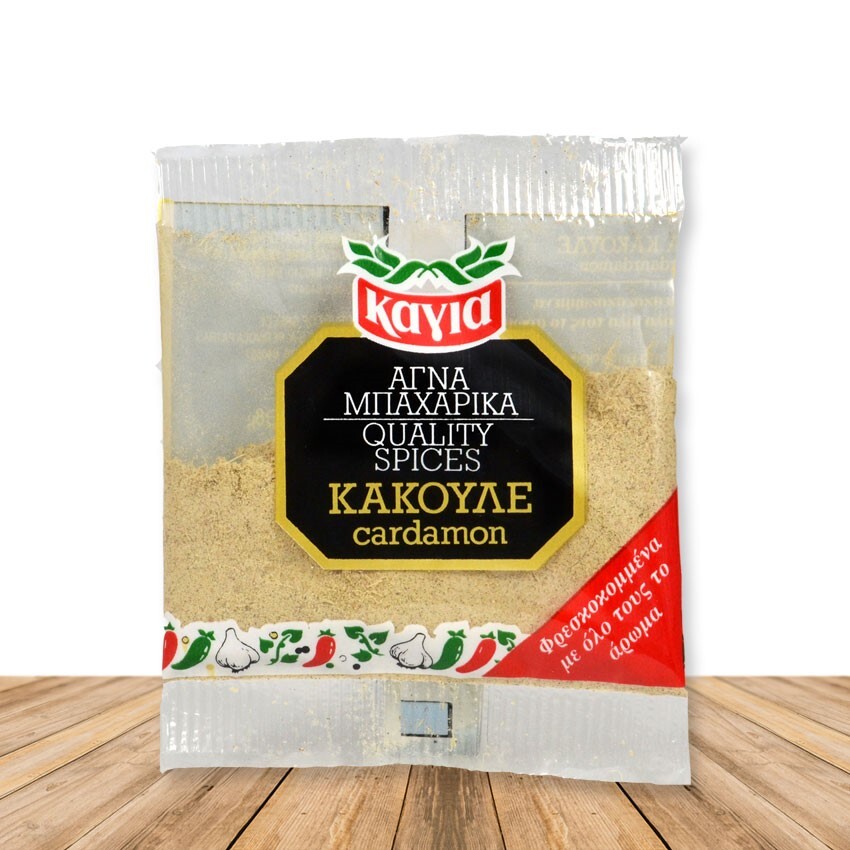
CARDAMOM

CARDAMOM

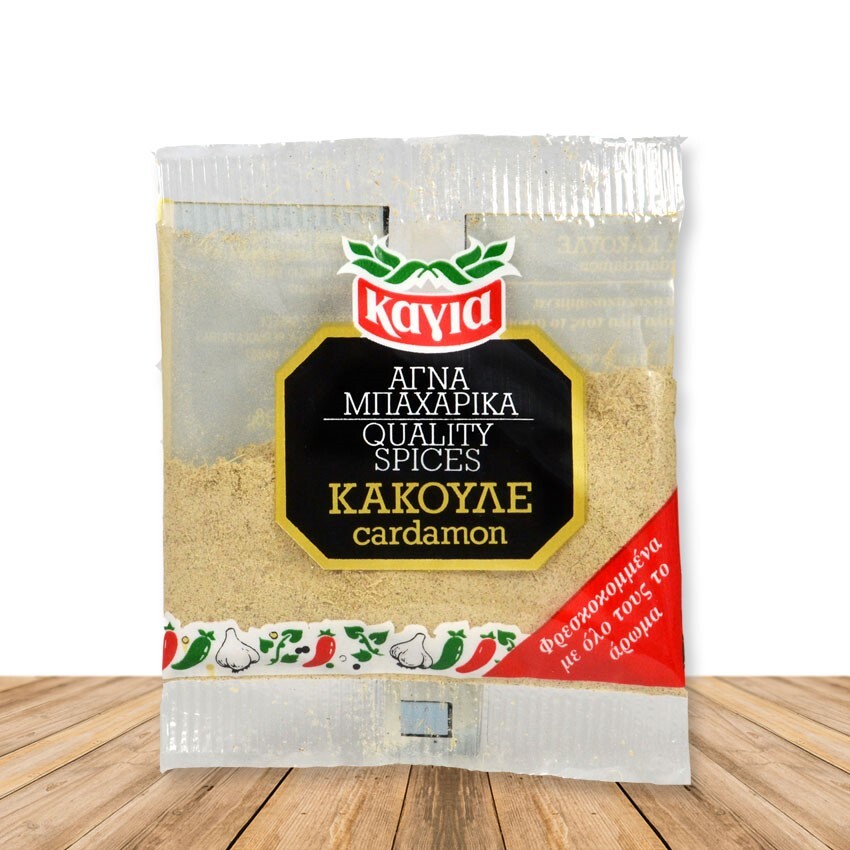
One of the oldest and most prized spices in the world, cardamom has a refreshing, eucalyptus-like aroma and is used in many Indian and Asian dishes as well as baked goods. You can also add it to hot beverages such as coffee, tea, or hot chocolate. Cardamom is valued for supporting digestion, soothing inflammation, aiding detoxification, and freshening breath.

COCONUT

COCONUT

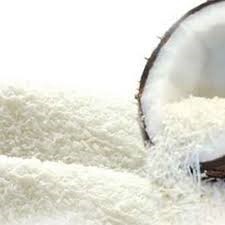
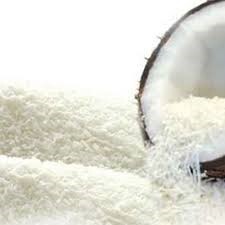
Not only delicious with a distinctive tropical flavor, coconut is rich in vitamins, minerals, dietary fiber, and trace elements. Ideal for breakfast, muesli, fruit salads, and desserts, it pairs especially well with chocolate. Coconut has antibacterial and anti-inflammatory properties and supports smooth digestive function.

VANILLA

VANILLA

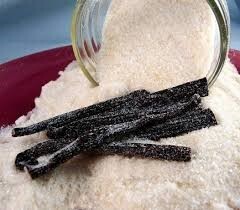
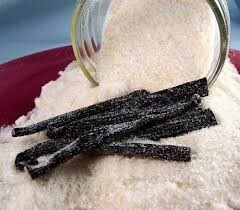
Vanilla plants live for 35–40 years and begin bearing pods 4–5 years after flowering. Vanilla pods are harvested by hand just before ripening, then cured through fermentation—which gives them their rich aroma, dark chocolate color, and supple texture—followed by 2–4 weeks of sun drying. Fresh vanilla pods have no scent until cured; inside are thousands of tiny seeds rich in essential oils. For centuries, vanilla has been prized in both culinary arts and aromatherapy for uplifting mood and energy.

SESAME

SESAME

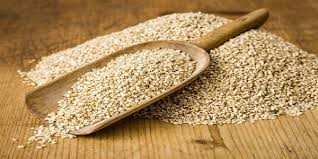
Sesame seeds come from the plant Sesamum indicum and have a characteristic nutty flavor. Many of their benefits derive from their high natural oil content. Widely used in salads, as a topping for breads and baked goods, in sushi, and in cakes, sesame seeds help support healthy blood pressure, bone strength, digestion, oral health, and skin and hair care.

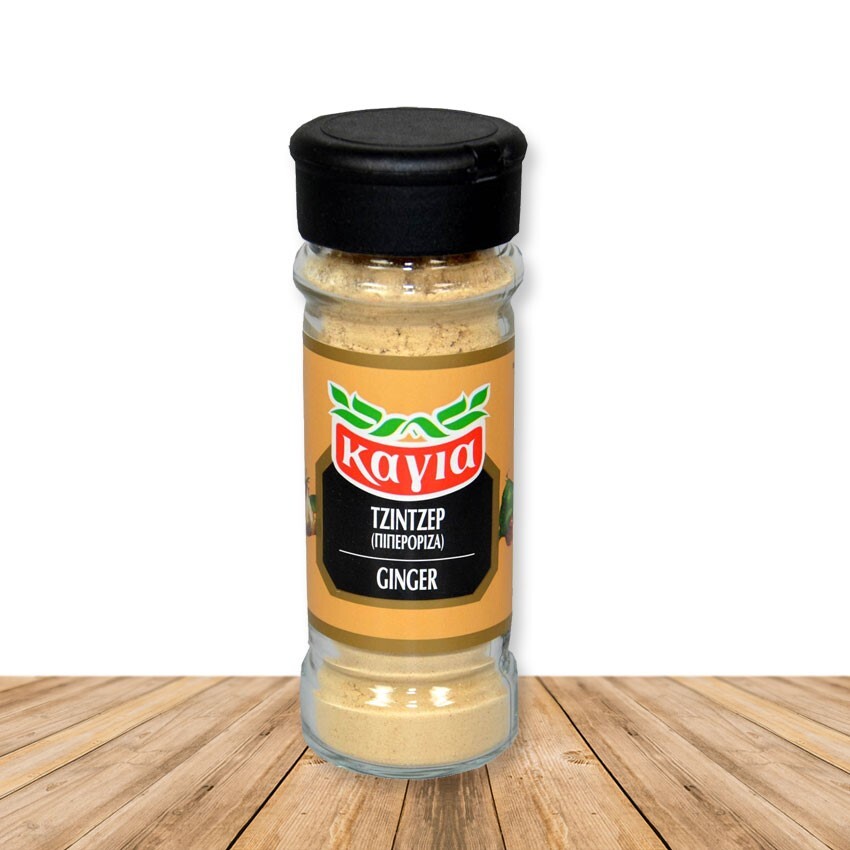
GINGERGINGER

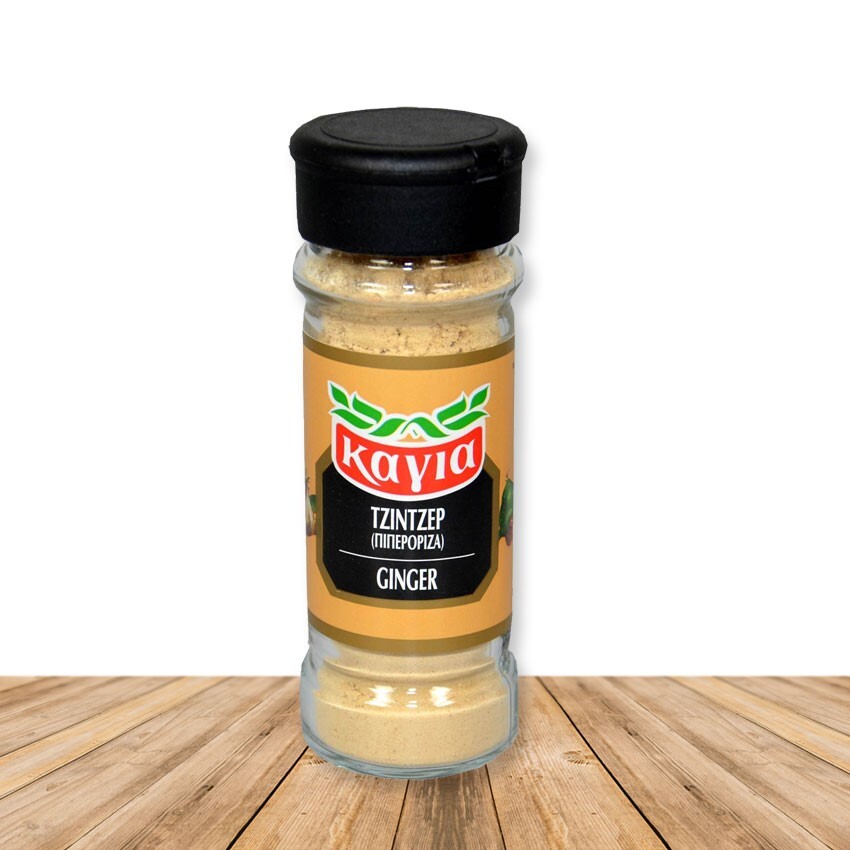
GINGER

Ginger is considered one of the most nutritious roots in the world and is an essential ingredient in Indian, Japanese, and Chinese cuisine. Its essential oils and active compounds give it remarkable culinary value and health benefits.

Ginger helps relieve nausea, supports the immune system, helps regulate blood pressure, and has antimicrobial and soothing properties for respiratory comfort.

Its distinctive zesty flavor enhances savory dishes, sauces, sweets, beverages, and cocktails, and it can be enjoyed both fresh and cooked.

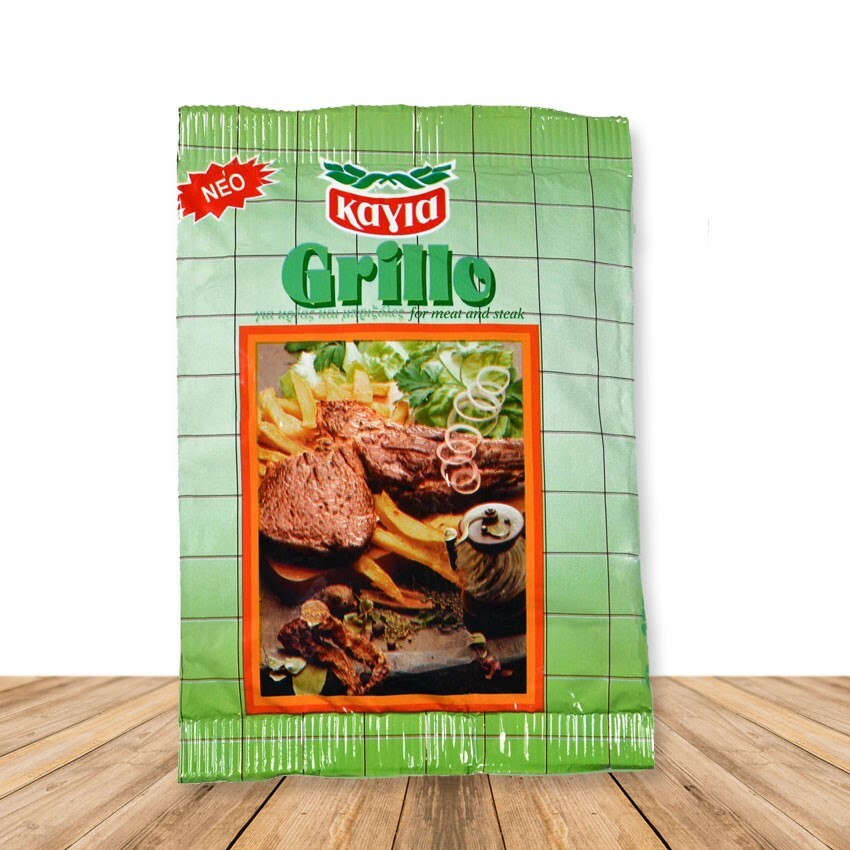
GRILLO MEAT – STEAKS

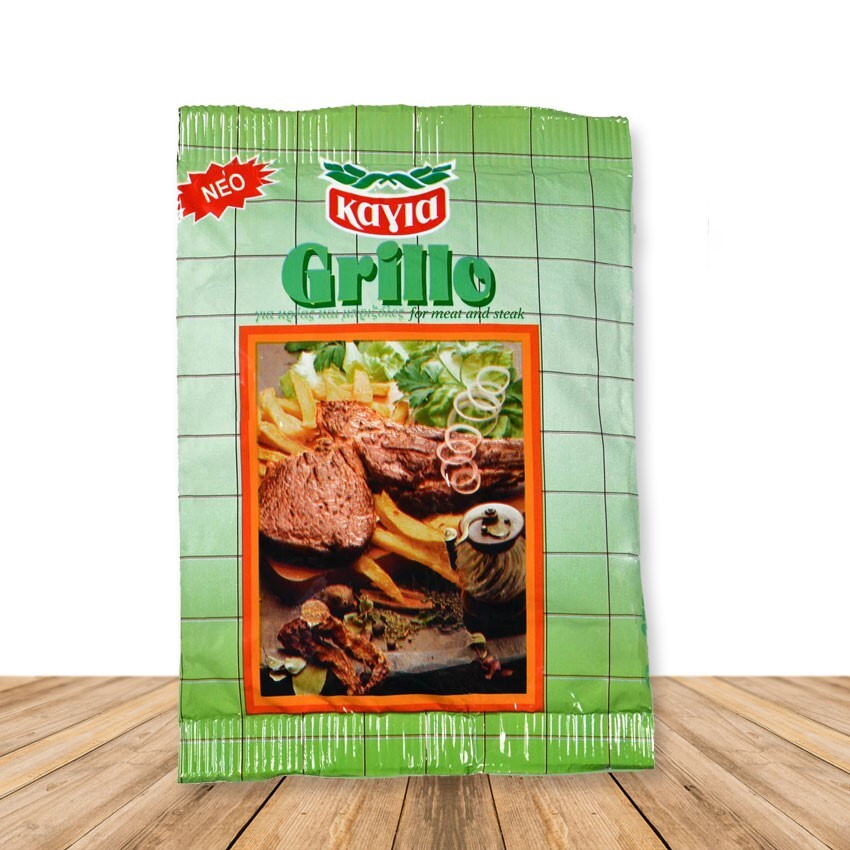
GRILLO MEAT – STEAKS

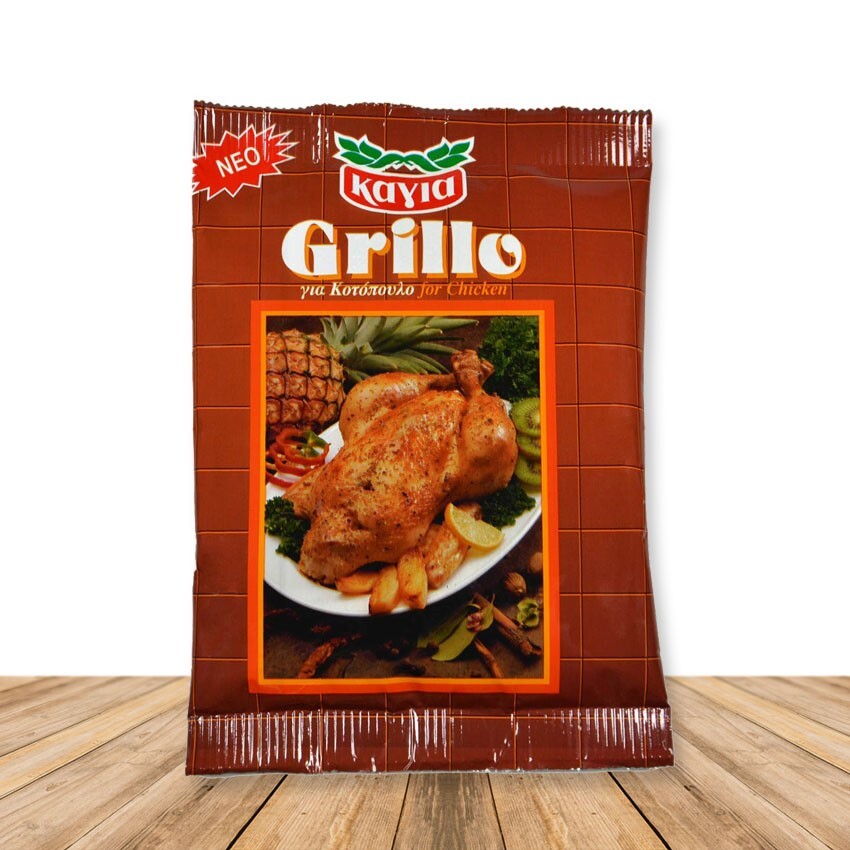
Sprinkle 1 kg of meat with 1 to 2 tablespoons of Grillo. Let it rest for 8 minutes, then grill, boil, or braise as desired. You will enjoy the wonderful flavor of pure KAGIA spices.

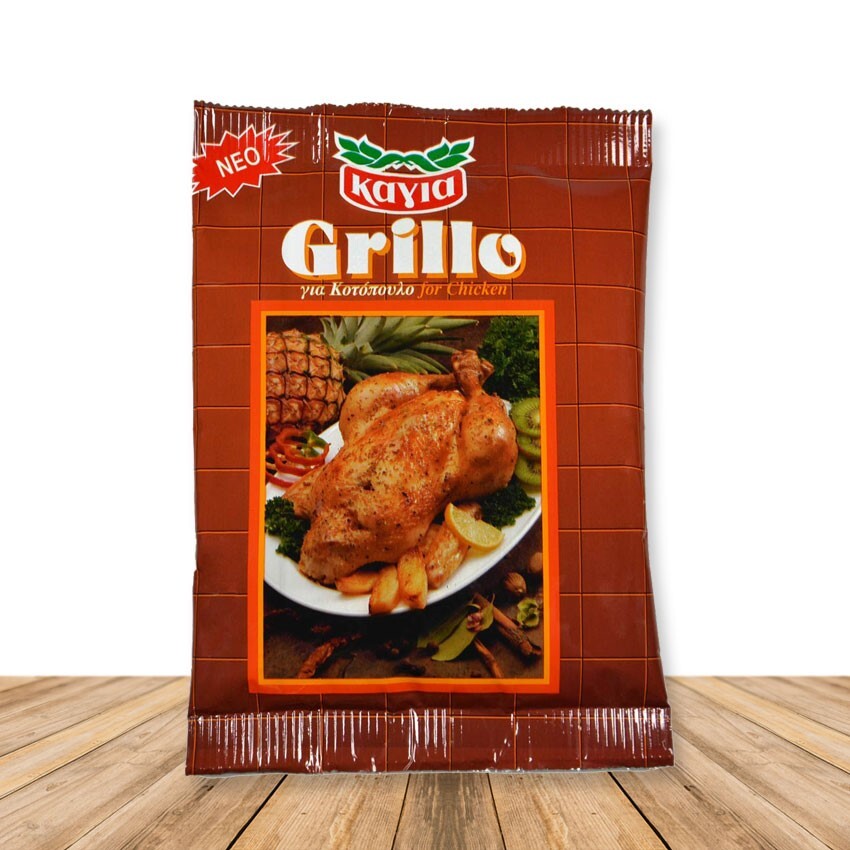
GRILLO CHICKEN

GRILLO CHICKEN

Sprinkle chicken or turkey inside and out with 2 to 3 tablespoons of Grillo. Let it rest for 8 minutes, then roast, boil, or braise. You will enjoy the wonderful flavor of pure KAGIA spices.

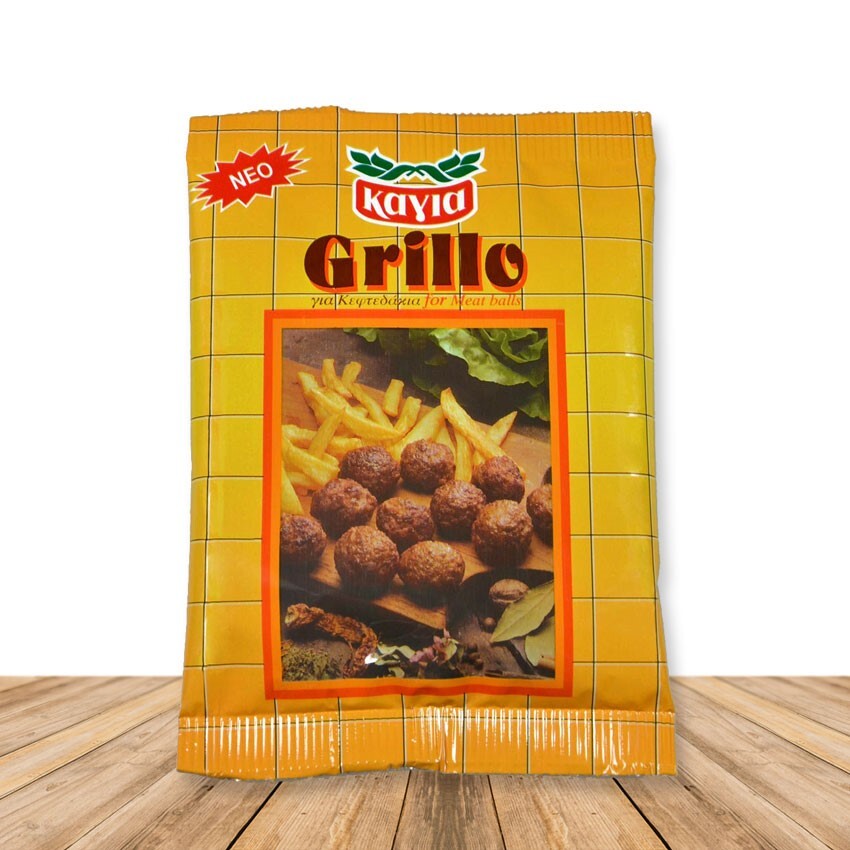
GRILLO MEATBALLS

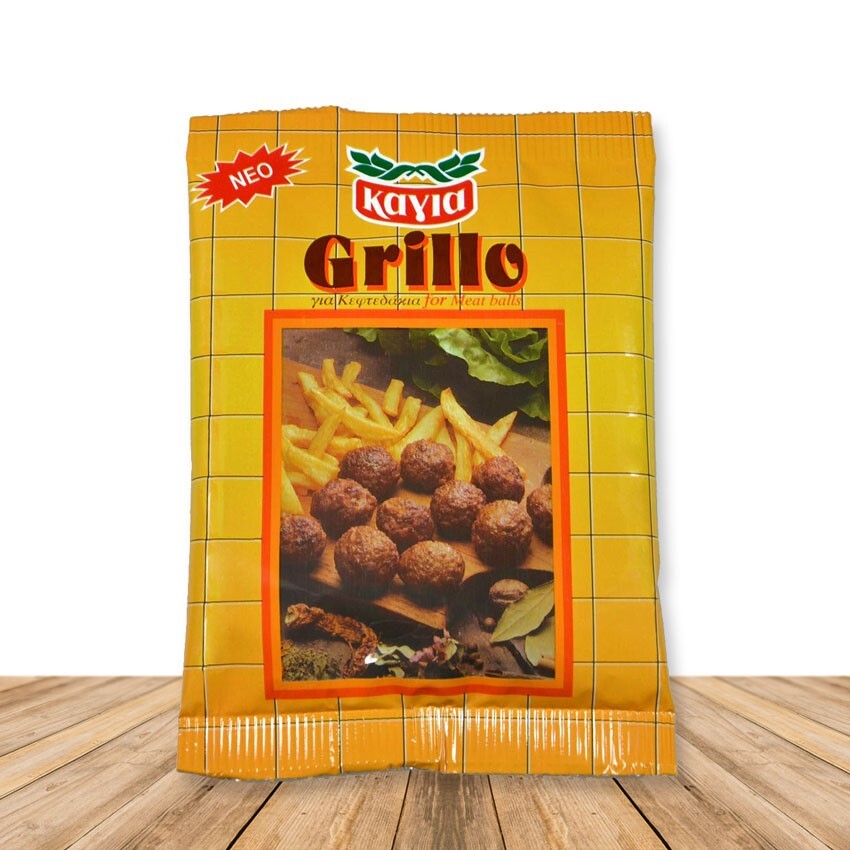
GRILLO MEATBALLS

Add about 1 to 2 tablespoons of Grillo to 1 kg of ground meat and knead well. Then cook burgers or meatballs as you prefer—grilled, pan-fried, or in sauce—for the wonderful flavor of pure KAGIA spices.

Φωτογραφίες

Items list

photo
photo
photo
photo
photo
photo
photo
photo
photo
photo
photo
photo
photo
photo
photo
photo
photo
photo
photo
photo
photo
photo
photo
photo
photo
photo
photo
photo
photo
photo
photo
photo
photo